
2025 Honda CB1000 Hornet SP: What we’ve learned after 3302 miles
LONG-TERM TEST BIKES
This time last year we took delivery of a base Hornet. For the past few months we’ve had an SP – is it worth the extra?
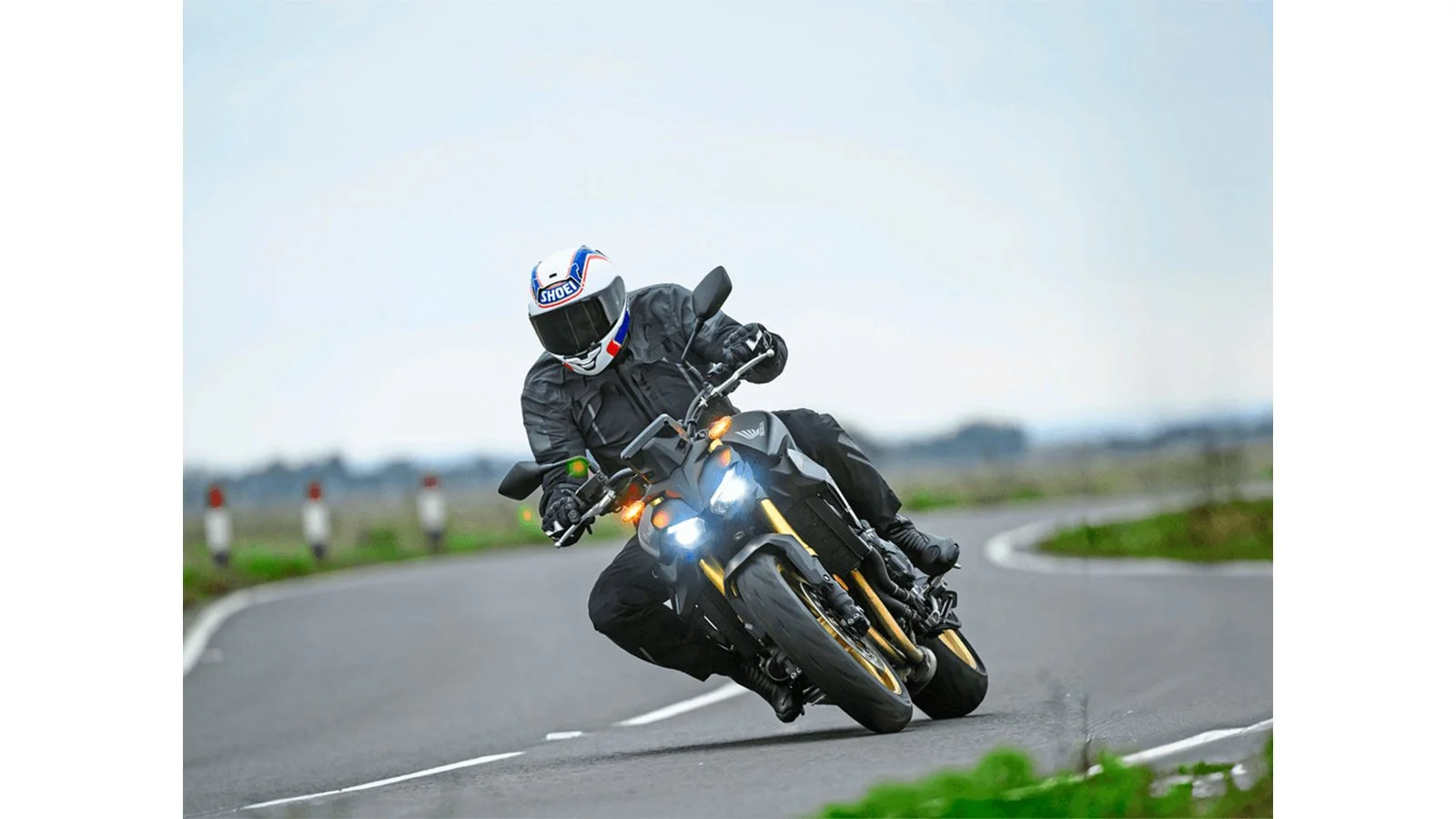
Pictures Bauer Archive
WE’VE BEEN A big fan of the Hornet over the past year – it impressed on our first test in Spain then blew us away with its completeness and value for money on our first ride in the UK. Since then a Hornet – first the base model and now the SP – has been a constant in our lives on RiDE, propelling us to every corner of the country, normally with a smile on our face and joy in our hearts.
Now, 12 months later, we know much more about the Hornets having clocked thousands of miles on both models. We know all about the base model – that’s now ticked off. But what’s the sporty one like?
1 SP’s abilities are broader than the base model’s
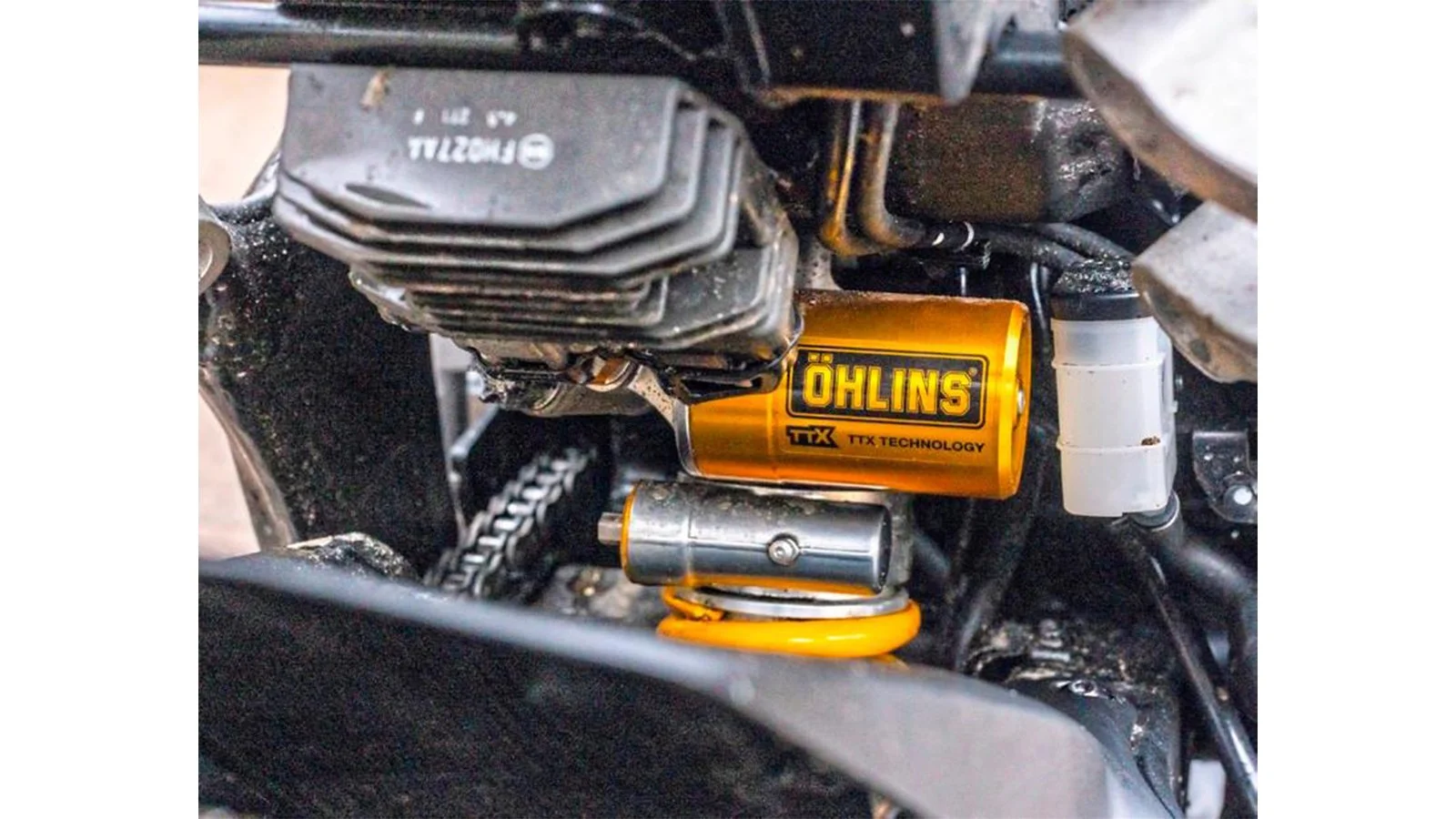
The SP has a host of equipment over a stock Hornet: a fully adjustable Öhlins TTX shock; Brembo Stylema calipers; an up/down quickshifter; the black paint and gold wheels; and a tad more power. The biggest difference is the rear shock: the SP is more nimble, holds a line well, and handling is a step ahead. The improved dynamics move the bike from naked UJM territory to something closer to a supernaked, without affecting the things that made it good in the first place.
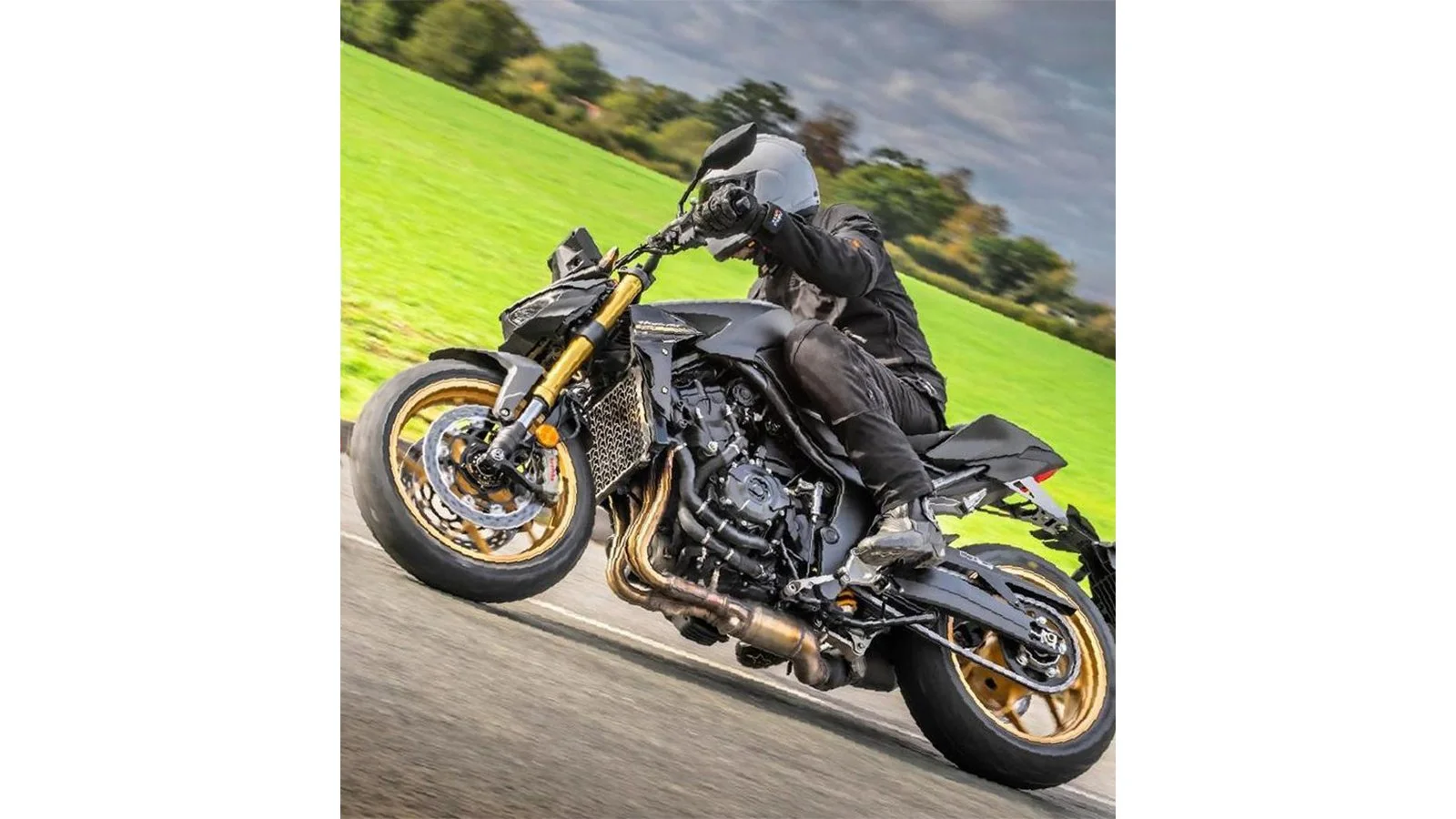
Clever packaging makes levering it around fun and easy
2 The engine is spectacular
Compared to the base model, the SP has different mapping and a valve that opens in the exhaust, liberating gas flow and allowing for more power. They’re surprisingly different to ride: the SP is raspier, has a little less in the middle, and the revs climb faster higher up the rev range. It’s not as good for pottering, but for brisk riding it’s more exciting and involving, but still with nice fuelling and 48mpg on a long run. With a measured 145bhp it has five more horses than the base bike, too.
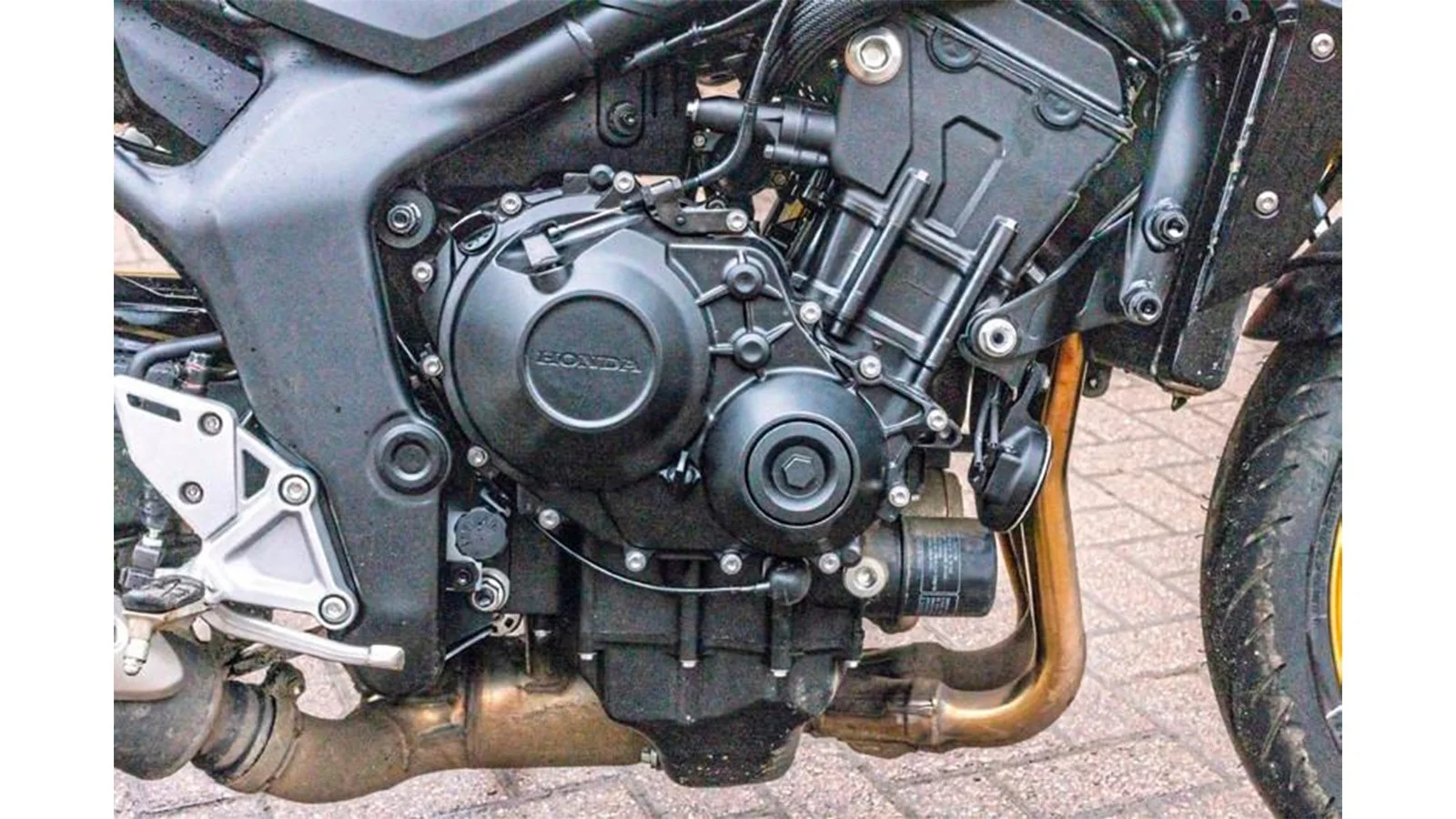
It started out in the Fireblade – so no surprise it’s super
3 The electronics frustrate
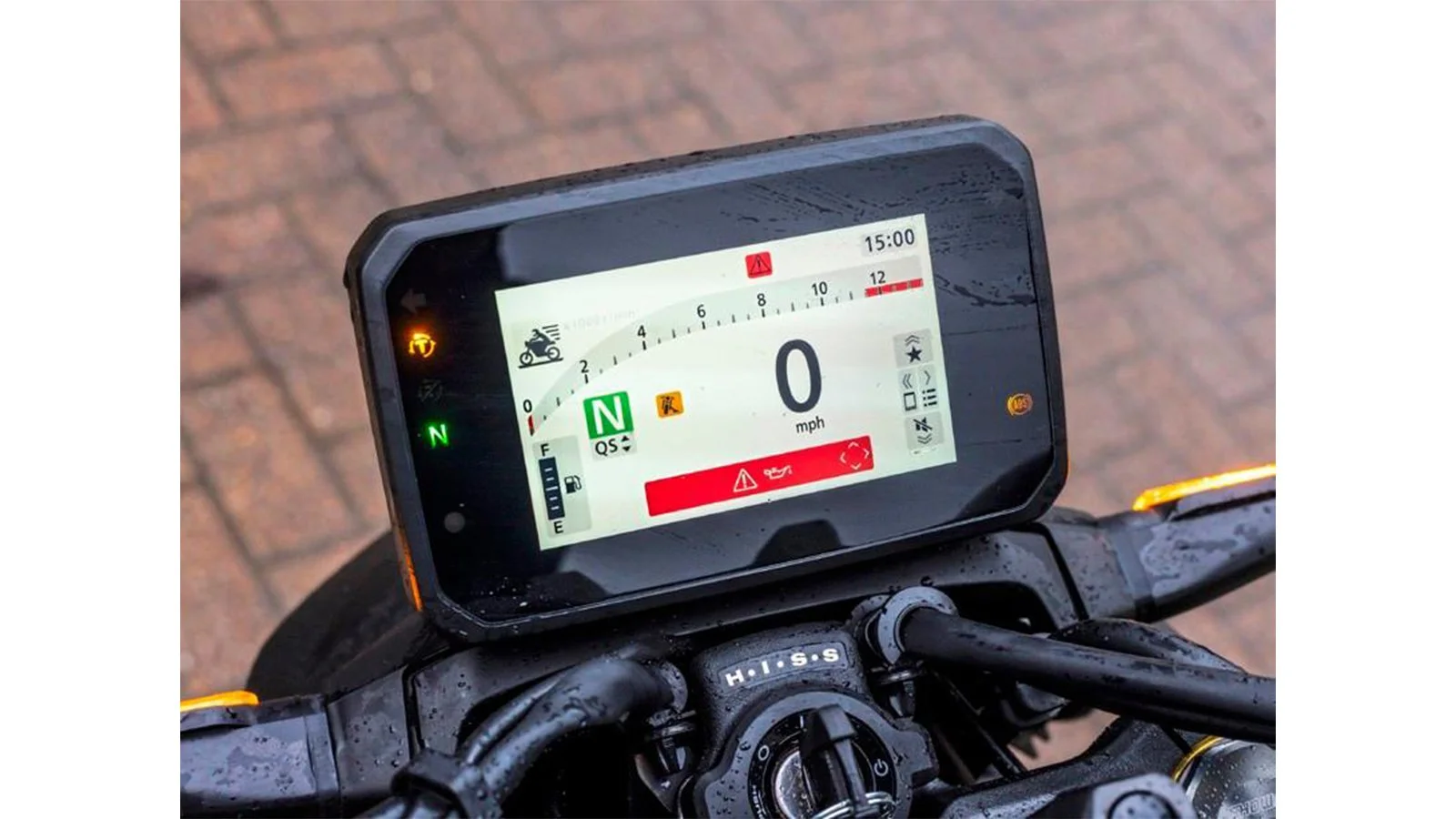
This is the SP’s weak spot. The chassis and engine promote brisk riding, but the rider aids don’t operate on the same level. The crude traction control interferes frustratingly and sometimes erratically when you push on and the front gets light, especially at lower speeds and in lower gears. Equally, the ABS triggers worryingly early, though it doesn’t produce heart in the mouth moments. Neither are a safely issue, but the next model would benefit from an IMU for fine adjustment and intervention. As it is you’re tempted to turn everything off, which feels weird in 2026.
That rear shock is seriously good kit for a mid-market bike
4 The ergonomics are class-leading
Honda invariably always get this stuff right, and it’s a lovely motorcycle to sit on. The handlebars are the perfect width, the seat’s good enough for a morning of solid riding and the little nosefairing does enough to ease windblast for reasonable motorway touring. All of this has a real effect on its day-to-day usage and enjoyment, and take the pain (literally) out of owning a naked bike.
Dash is pretty good, but the TC and ABS could be smarter
5 It’s definitely worth the extra money
Considering the Öhlins shock costs more than the difference between the Hornet and the Hornet SP, it’s hard to make much of a case for the standard bike, especially as the rear shock hasn’t deteriorated like it did with the stocker. The fact a bike feels this special and has so many trinkets on it, for what these days is a middling price point, is to be applauded. It’s a great bike and we’re hanging onto it until we can try the new CB1000GT – so expect more of it in these pages.
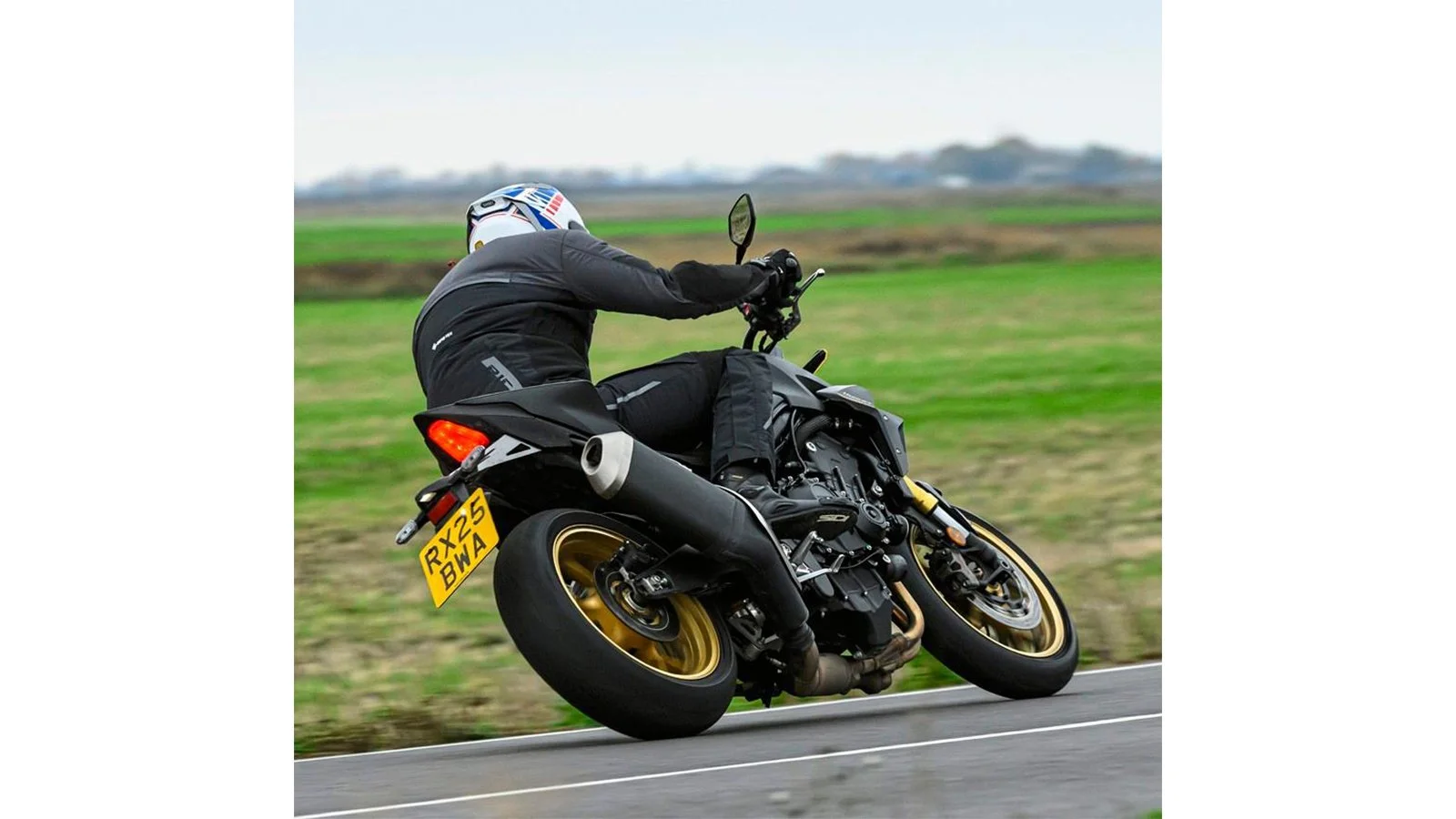
Going the full SP is an extra grand very well spent
WHAT WORKS WHAT DOESN’T
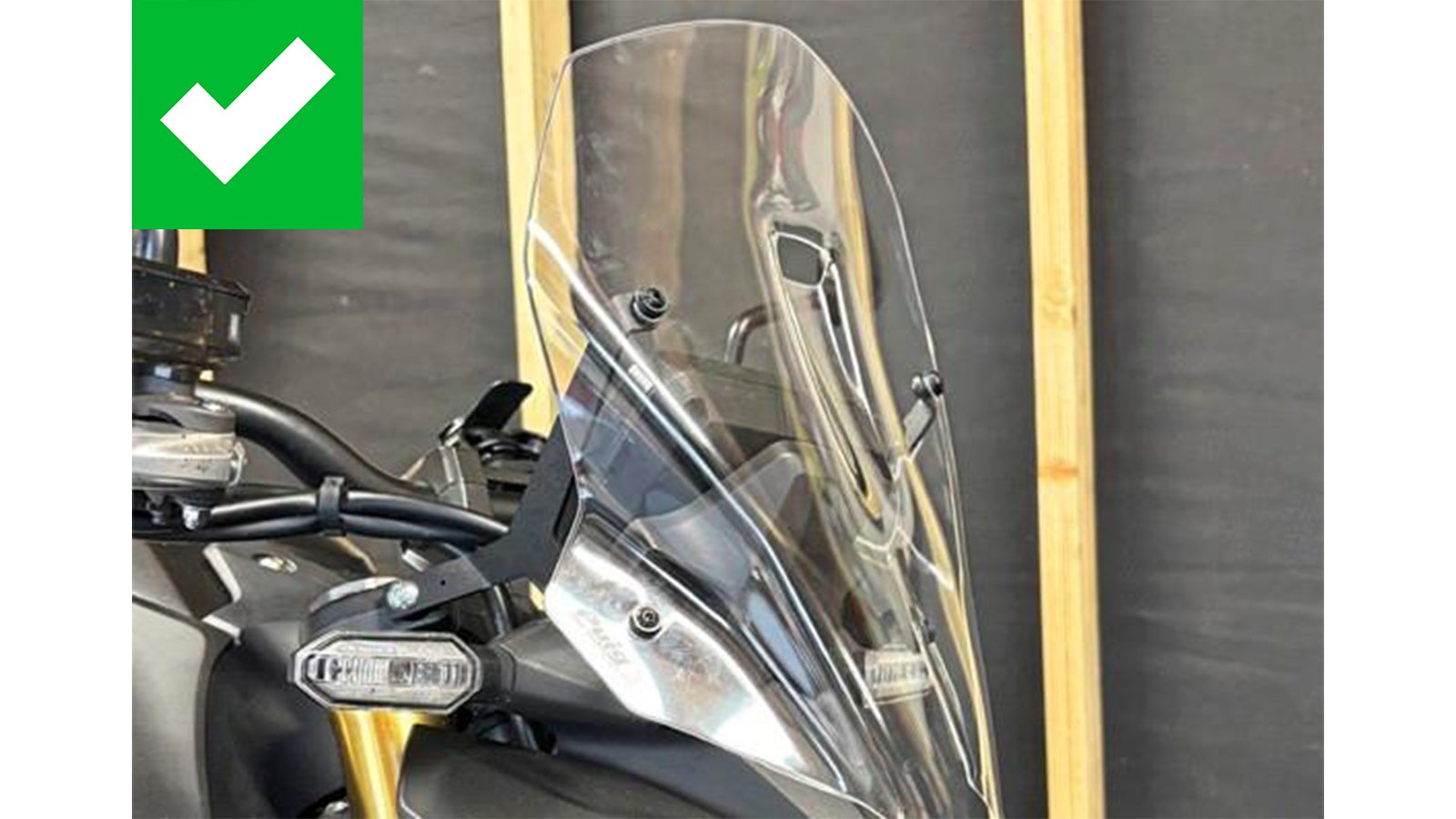
Effective touring screen
The headlamp fairing is good, but this Puig touring screen makes a marked difference at higher speeds, allows sustained cruising and keeps you warmer. Fitting required 5mm-longer bolts than supplied, though.
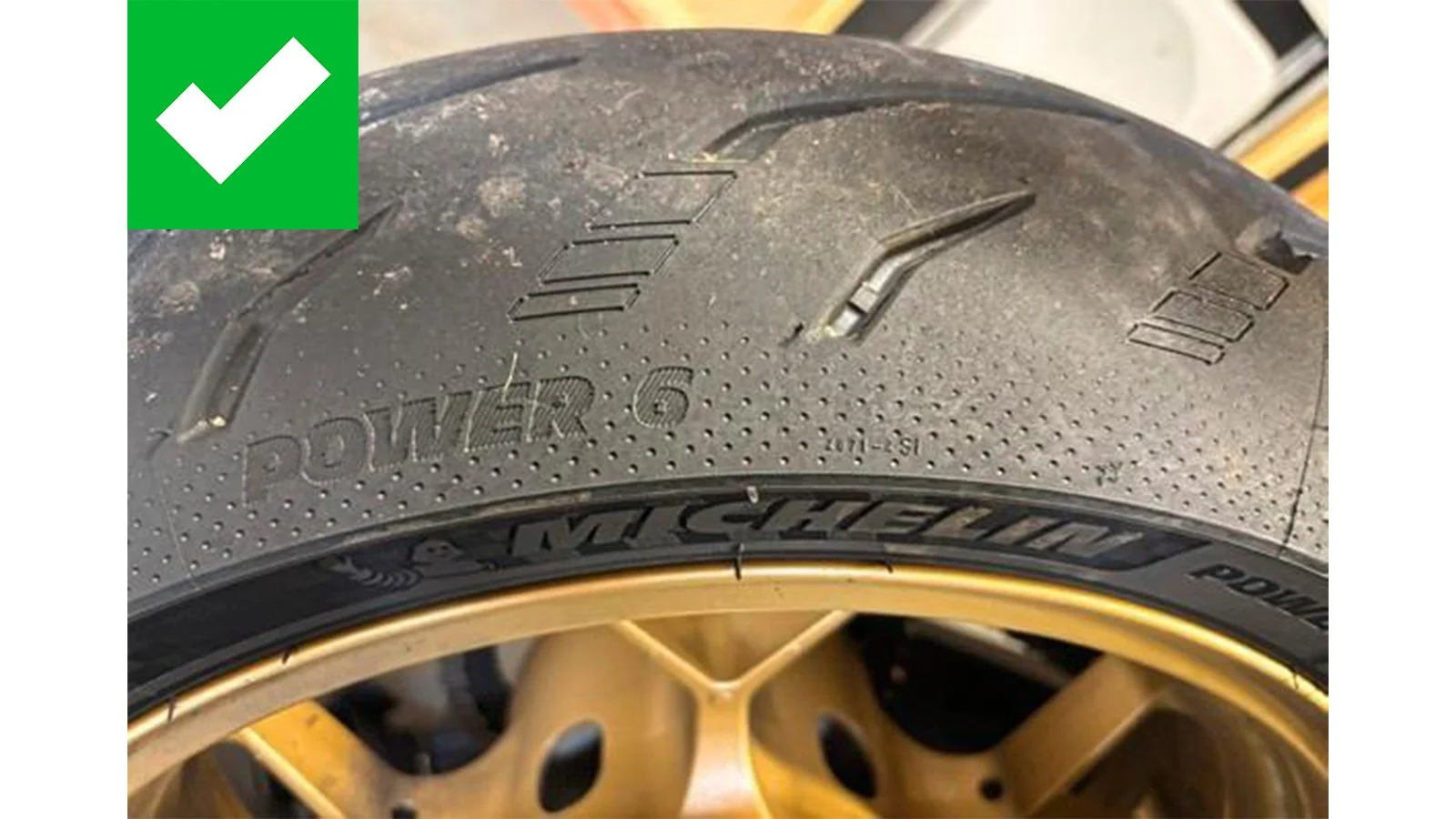
Better Michelin Power 6s
Michelin’s Power 6 is a sporty road tyre that provides more grip, better dampweather performance and sharper steering than OE. They may be too sporty for some, but they suit the Hornet well.
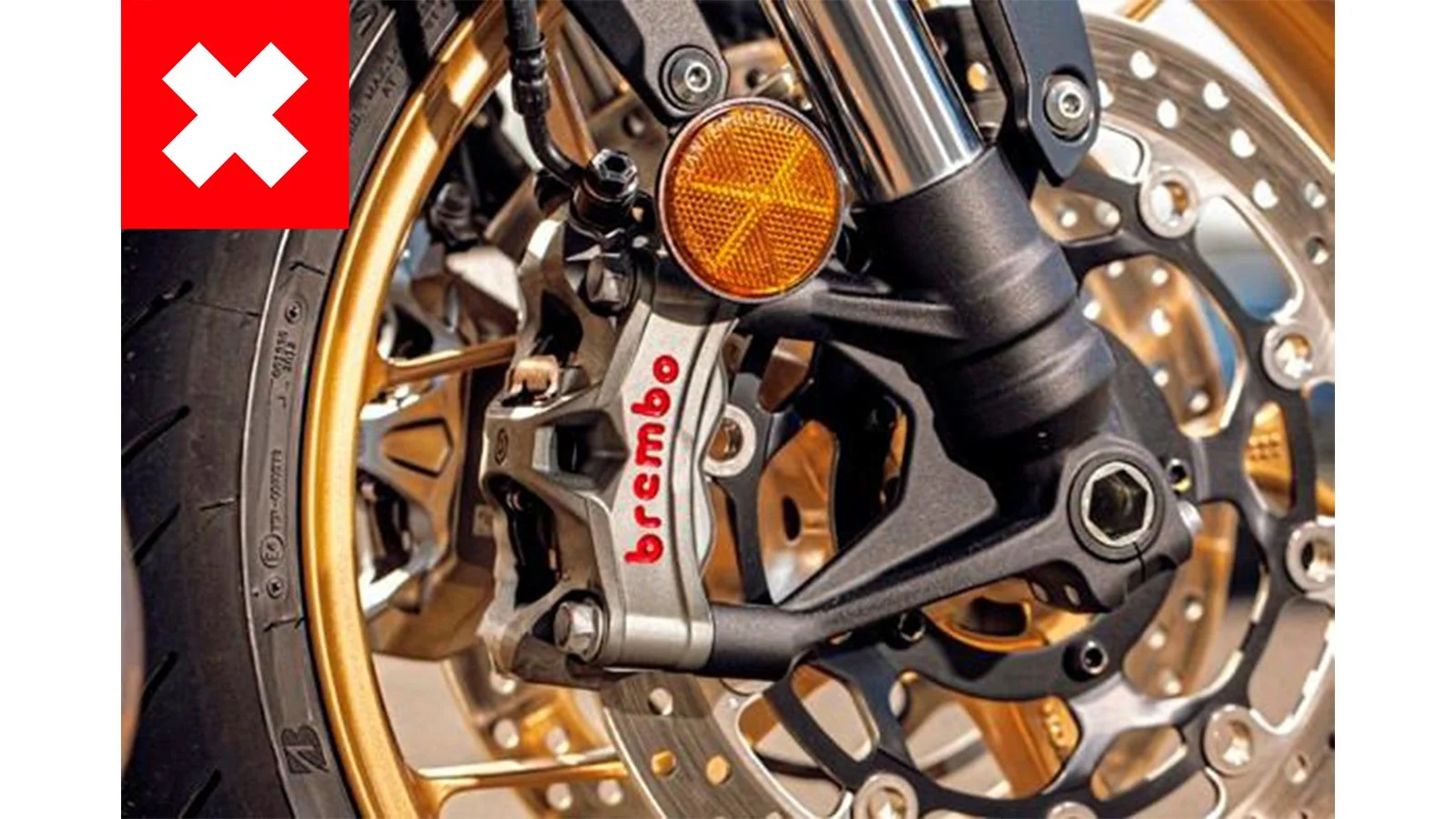
Brembos seem for looks
They work no better than the Nissins on the stock Hornet, and at the point where you feel you can take advantage of the extra power, the Honda’s nannying ABS kicks in. They do look good, though.
COSTS SO FAR
Servicing, 600-mile service £260
Fuel, 335 litres @ £1.34/litre £449
Michelin Power 6 tyres £350
Puig touring screen £130
Pyramid belly pan and protector £228
Cost per mile 42.9p
THE FACTS
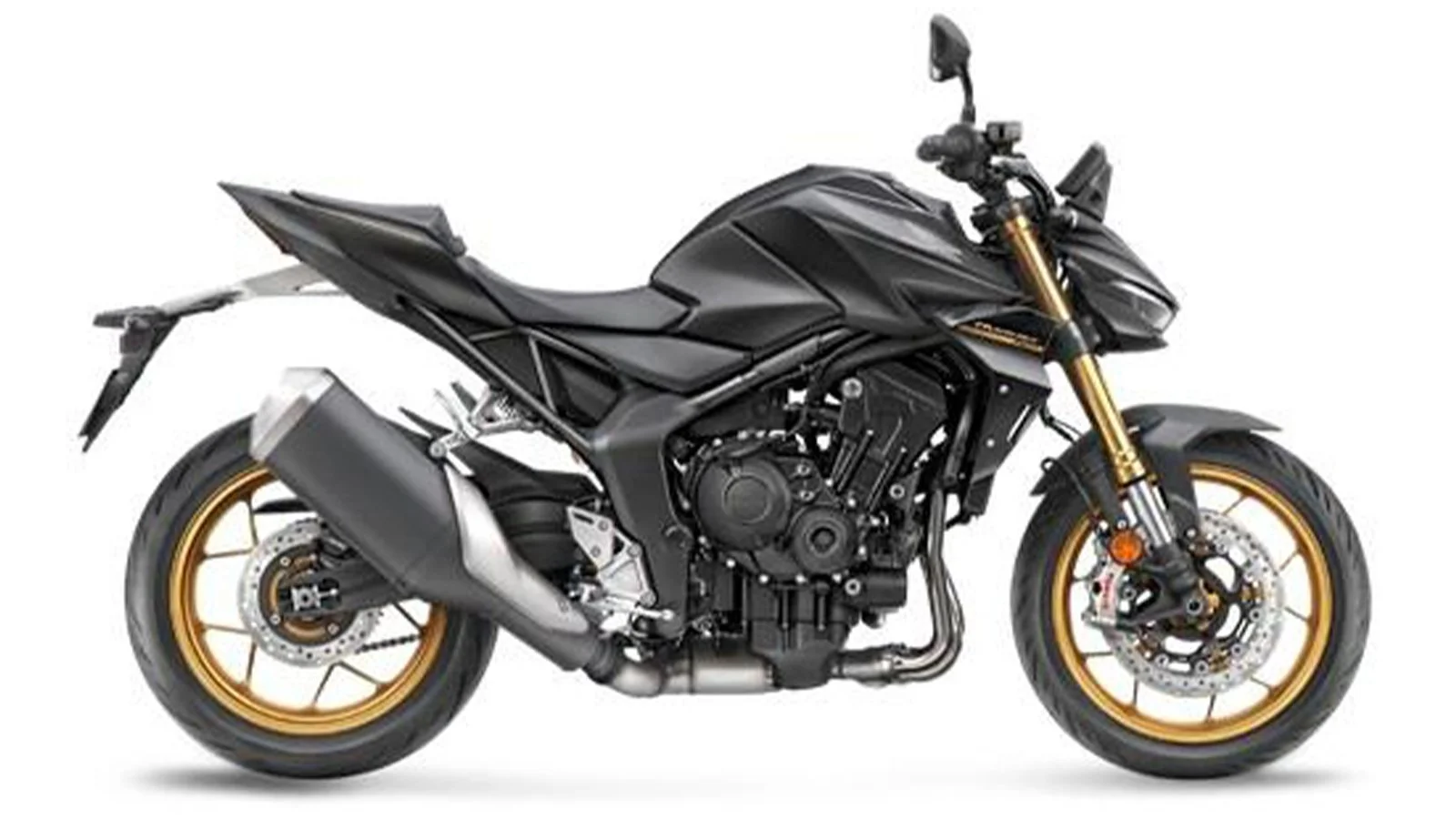
£10,999
155bhp
212kg
MILES THIS MONTH NA
FUEL CONSUMPTION 44.8 MPG